
The University of Bareda Queen is proud to announce the official launch of the Institute for Digital Humanities and Creative Innovation—a pioneering centre dedicated to advancing research, education, and industry collaboration at the intersection of the arts, humanities, and digital technology. This strategic initiative marks a significant step forward in redefining the role of the humanities in a rapidly evolving digital world, and positions the university at the forefront of global academic and creative leadership.
Transforming Humanities Through Digital Integration
The Institute for Digital Humanities and Creative Innovation is designed to address the urgent need for a new paradigm in arts and humanities education—one that embraces digital transformation without losing sight of the critical thinking, cultural understanding, and ethical reflection that define these disciplines. Drawing inspiration from leading global institutions recently recognised for their excellence in arts and humanities, the institute brings together scholars, practitioners, and students from secondary, undergraduate, and postgraduate levels to foster a vibrant, interdisciplinary community.
The institute’s core mission is to bridge traditional humanities with cutting-edge digital practices. This is achieved through a diverse portfolio of research projects, innovative teaching methods, and collaborative industry partnerships. The curriculum and research agenda are meticulously crafted to ensure that students not only master the theoretical foundations of the humanities but also acquire the digital fluency and creative problem-solving skills essential for success in the 21st-century creative economy.
Micro-Level Innovation: Digital Storytelling, Archival Science, and AI in the Arts
Central to the institute’s approach is a focus on micro-level innovation—empowering students and researchers to experiment with the latest tools and methodologies in digital storytelling, archival science, computational linguistics, and AI-driven creative practices. Undergraduate students are introduced to digital curation techniques, learning to preserve and interpret cultural artefacts using advanced software and immersive technologies such as VR and AR. Postgraduate researchers lead projects on ethical AI in the arts, exploring algorithmic bias in digital media and developing frameworks for responsible creative AI applications.
In the Digital Storytelling Lab, students collaborate on interactive narratives that blend traditional literary analysis with game design, animation, and augmented reality. These projects not only push the boundaries of what constitutes a “text” but also cultivate a deep understanding of audience engagement and digital literacy.
The Archival Futures Group works closely with local museums and libraries to digitise rare manuscripts and artworks, making them accessible to global audiences while developing best practices for metadata, preservation, and digital rights management. This hands-on approach ensures that students graduate with both theoretical insight and practical expertise in digital heritage management.
Creative Industries and Real-World Impact
The institute’s commitment to industry engagement is evident in its Creative Innovation Studio, where students and faculty co-develop projects with partners from the creative industries, including publishing, film, gaming, and design. Recent collaborations have resulted in the development of AI-assisted scriptwriting tools, interactive museum installations, and data-driven art exhibitions. These projects provide students with invaluable experience in project management, cross-disciplinary teamwork, and client communication—skills highly sought after by employers in the creative and digital sectors.
The Institute also hosts an annual Digital Fusion Symposium, bringing together artists, technologists, scholars, and industry leaders to showcase emerging trends and foster dialogue on the future of creativity in a digital age. This event serves as a launchpad for student-led start-ups, research dissemination, and the formation of new partnerships that extend the institute’s impact beyond academia.
Personalised Learning and Student Empowerment
Recognising the importance of personalised learning, the institute integrates AI-driven adaptive learning platforms into its teaching. These systems analyse individual student progress, recommend tailored resources, and facilitate targeted interventions to ensure that every learner reaches their full potential. This approach is complemented by a robust mentorship programme, where students at all levels receive guidance from faculty and industry professionals, fostering a culture of continuous growth and self-directed learning.
High school students enrolled in the university’s preparatory programme benefit from early exposure to digital humanities through workshops in digital art, coding for creatives, and media ethics. This early engagement nurtures curiosity, builds confidence, and lays the foundation for advanced study.
Global Collaboration and Multicultural Perspectives
The Institute for Digital Humanities and Creative Innovation is deeply committed to fostering global perspectives and multicultural understanding. Faculty and students collaborate on international research projects, participate in virtual exchange programmes, and contribute to open-access digital archives that celebrate cultural diversity. The institute’s multilingual environment, with courses offered in English and other major European languages, reflects Switzerland’s role as a crossroads of cultures and ideas.
Ethics, Inclusion, and Responsible Innovation
In an era of rapid technological change, the institute places a strong emphasis on ethical reflection and social responsibility. Courses on digital ethics, cultural heritage protection, and inclusive design are embedded throughout the curriculum. The institute actively supports underrepresented voices in the arts and technology, offering targeted scholarships, outreach initiatives, and inclusive project teams.
A dedicated Ethics and Inclusion Committee ensures that all research and creative projects adhere to the highest standards of integrity, transparency, and social impact. This commitment extends to the responsible use of AI and data, with students and staff trained in best practices for privacy, consent, and algorithmic fairness.
Sustainable Infrastructure and Digital Learning Environments
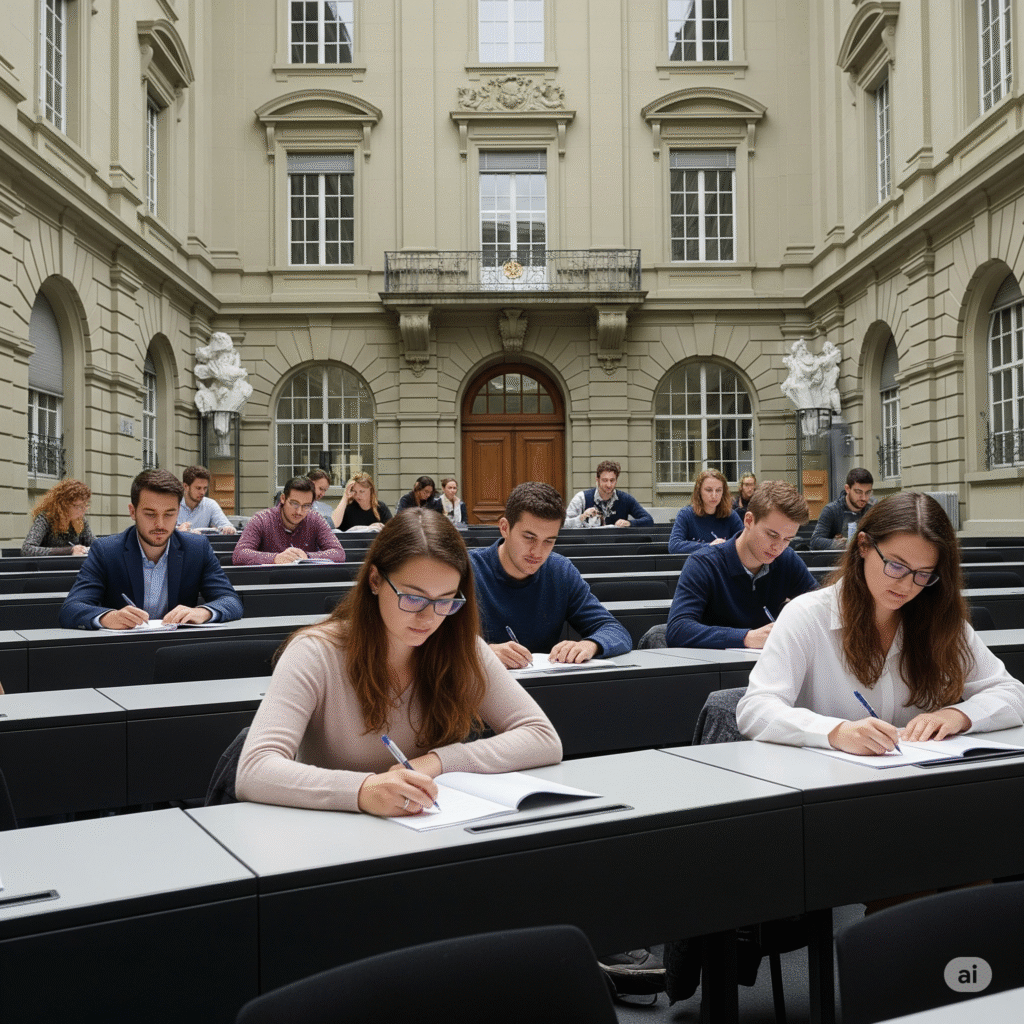
The launch of the institute is accompanied by significant investment in sustainable campus infrastructure and digital learning environments. The university has transformed a historic building into a state-of-the-art facility featuring collaborative studios, digital labs, and immersive exhibition spaces. These spaces are designed to support hybrid and remote learning, ensuring accessibility and flexibility for students from diverse backgrounds.
The institute’s digital infrastructure includes cloud-based archives, high-performance computing clusters for digital humanities research, and advanced media production suites. These resources empower students and researchers to experiment, innovate, and share their work with global audiences.
Measuring Success: Academic Excellence and Societal Impact
The success of the Institute for Digital Humanities and Creative Innovation is measured by its contributions to academic excellence, student development, and societal impact. Early outcomes include the publication of peer-reviewed research, the launch of student-led digital start-ups, and the creation of open-access resources for educators and community organisations.
Feedback from students, industry partners, and community stakeholders is continuously gathered to refine programmes, identify new opportunities, and ensure that the institute remains responsive to the evolving needs of society and the creative economy.
A New Benchmark for the Digital Humanities in Switzerland
With the establishment of the Institute for Digital Humanities and Creative Innovation, the University of Bareda Queen sets a new benchmark for arts and humanities education in Switzerland. By integrating digital technologies, fostering interdisciplinary collaboration, and championing ethical and inclusive innovation, the university reaffirms its commitment to preparing students for leadership in a complex, interconnected world.
The institute invites students, scholars, industry partners, and the wider community to join in shaping a future where creativity, technology, and cultural understanding drive positive change.
Leave a Reply